At REBEL Elite Fitness, we believe that the best equipment in the world is only as effective as the athlete using it. While we provide the tools to build your strength, the single biggest factor in your actual performance is efficiency: how well your body produces and supplies energy to your working muscles.
To maximise this efficiency, you need a high-functioning network of mitochondria—often called the “powerhouses of the cell.”
What are Mitochondria?
Mitochondria are microscopic organelles found in almost all of the body’s cells. In high-demand environments like your muscle tissue, cells can contain hundreds or even thousands of them. Their primary role is energy production, specifically the generation of Adenosine Triphosphate (ATP), the body’s universal energy currency.
Through complex chemical processes, mitochondria utilise the oxygen you breathe and the nutrients you consume to produce ATP. This fuels everything from basic biological functions to the most grueling metabolic conditioning sessions.
Why Quality Matters
The number, size, and quality of your mitochondria are the foundation of your aerobic capacity. The more efficient your mitochondria are, the more energy you can produce.
This results in:
Higher Power Output: Sustaining more work for longer.
Improved Efficiency: Performing at the same level with a lower perceived exertion.
While genetics play a role in your baseline, mitochondrial health is highly adaptable. Research consistently shows that intentional training is the best way to increase both the quantity and the quality of these energy-producing units.
Training for Adaptation: Number vs. Size
To build a truly elite engine, you need to understand how different training stimuli affect your cellular makeup. Like choosing the right barbell for a lift, you must choose the right intensity for the desired adaptation:
Low-Intensity Training: Increases the number of mitochondria in the cells.
High-Intensity Training: Increases the size and capacity of existing mitochondria.
The Power Plant Analogy:
To supply more energy to a city, you can either build more power plants (quantity) or increase the output capacity of existing ones (quality). To be a truly well-rounded athlete, you want to do both.
Don’t neglect the “slow” work, and don’t shy away from the “fast” work. By incorporating a mix of low-intensity aerobic sessions and high-intensity intervals, you ensure your body has a vast, high-capacity engine capable of powering through any challenge.
Frequently Asked Questions
How long does it take to see improvements in mitochondrial health?
Mitochondria are remarkably adaptive. While internal cellular changes begin after just a few sessions, most athletes will start to notice a tangible difference in their “engine”, such as improved recovery between heavy sets or a lower heart rate during steady-state indoor machine work within 3 to 4 weeks of consistent, varied training.
Can I improve my mitochondria through diet as well as exercise?
Yes. While exercise is the primary driver for mitochondrial biogenesis (creating new ones), your nutrition provides the raw materials. Nutrients like Magnesium, and Omega-3 fatty acids support mitochondrial function. Additionally, avoiding excessive refined sugars helps prevent oxidative stress, which is already heightened when training in a harsh, hot climate, protecting these delicate cellular structures from damage.
If I only have time for one type of training, should I choose high or low intensity?
It depends on your current goals. If you lack a “base” and find yourself getting winded quickly, low-intensity training is essential to build the necessary number of mitochondria. However, if you have a decent aerobic base but struggle with “top-end” power, high-intensity intervals will help by increasing the size and efficiency of the mitochondria you already have. For long-term elite performance, a balance of both is essential.
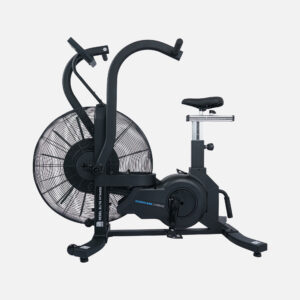
It depends on your current goals. In the UAE fitness scene, it is incredibly common for athletes to over-index on high-intensity training, which can leave your aerobic base neglected. If you find yourself getting winded quickly during longer pieces, low-intensity training (like a steady 40-minute flush on the REBEL Hurricane Airbike) is essential to build the necessary number of mitochondria. However, if you already have a solid aerobic base but struggle with “top-end” power, high-intensity intervals will help by increasing the size and efficiency of the mitochondria you already have. For long-term elite performance, a deliberate balance of both is non-negotiable.























Leave a Reply